Artificial Heart (Left Ventricular Assist Device)
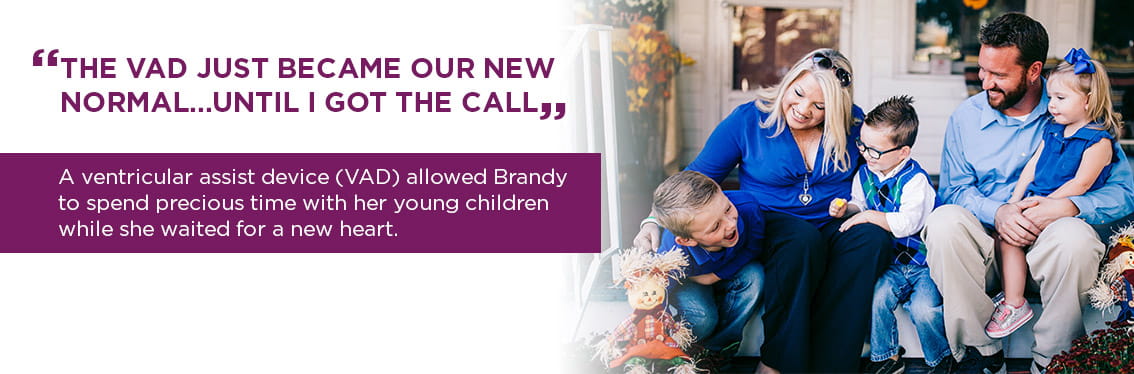
A left ventricular assist device (LVAD), also called a heart pump, is an implanted device that helps your heart pump blood to the rest of your body. These devices are commonly used for people who have a weakened heart muscle or end-stage heart failure.
LVADs serve different purposes, depending on your health and needs.
Short-term: Sometimes used during heart surgery to protect the heart or as support to strengthen the heart after damage from a heart attack or other heart event. Your doctor will remove the device before you leave the hospital.
Bridge-to-transplantation: An LVAD keeps the heart pumping blood while you wait for a heart transplant.
Destination therapy: An LVAD keeps oxygenated blood flowing through your body long term. Your doctor may recommend this option if you are not a candidate for a heart transplant.
The goal of an LVAD is to extend life and improve quality of life for people suffering from end-stage heart failure.
Experts at UPMC specialize in the use of minimally invasive techniques for the implantation of LVADs. They have found that using this approach can lead to excellent clinical outcomes, including reduced postoperative bleeding, a shorter stay in the hospital, and improvement in overall survival.
What to Expect
Before surgery
Getting an LVAD implanted requires major surgery. Your doctor will recommend several tests, such as imaging exams and blood tests, to determine if an LVAD is right for you.
Your doctor will review the risks and benefits of the procedure, as well as what device is best for you. Your care team will also tell you how to prepare, not only for surgery, but also for life with an LVAD.
Having an LVAD requires lifestyle changes. You will need to take certain precautions to care for the device and take medications, such as blood thinners. Your doctor will discuss what to expect during and after surgery before you have the procedure.
During surgery
Most LVADs require open heart surgery, although minimally invasive techniques may be an option in some cases. Your doctor will talk with you about whether the procedure can be performed using minimally invasive techniques.
On the day of your surgery, you will have general anesthesia, which means you will sleep through the procedure. A ventilator will help you breathe. A heart-lung bypass machine will maintain blood flow to your body throughout the surgery.
An incision will be made in your chest to access your heart. The surgeon will implant the device and ensure it is working before closing the incision. On average, the surgery lasts about four to six hours.
After surgery
After the surgery, you will spend time in the intensive care unit (ICU) and will likely need ventilator support as your body adjusts to the new device. The ventilator helps you breathe as you recover.
When ready, you'll move into a hospital room, where your care team will help you prepare to go home. The length of stay may vary for every individual patient, but you may spend two to three weeks in the hospital after surgery. During this time, you'll learn how to care for yourself and your device.
When you're able to go home, plan to have a family member or caregiver available to help you for a few weeks. It's important that you follow all instructions for maintenance, medications, exercise, and healthy eating. This will ensure you get the best results with your new device.
Life with an LVAD
You will need to care for the device and lead a heart-healthy lifestyle. Your doctor may recommend cardiac rehabilitation to help you grow stronger and learn healthy habits.
With an LVAD, you will need to avoid:
- Contact sports
- MRIs
- Smoking and drinking alcohol
- Swimming, baths, hot tubs, or other places where water surrounds you
Types of LVADs
Whether you require an LVAD for a short amount of time or as a more permanent solution, there are several devices available to be implanted.
Temporary
- Impella®
- Very small heart pump
- Can be inserted percutaneously or by using small incisions. Doctors can then advance the device to the heart through an artery.
- For temporary in-hospital use to protect the heart during surgery, such as during stent placement, recovery after a heart attack, or as a bridge to another therapy.
- "Unloads" the left ventricle by pulling blood and releasing it into the aorta.
Durable
- HeartMate 3®
- Connected to the left side of the heart and moves oxygenated blood from the left ventricle to the rest of the body.
- Comes with a system controller which powers the LVAD and can fit inside of a pocket.
- Gentle blood handling minimizes complications.
- Intended to provide long-term support to the heart in patients with end-stage heart failure.
Contact the UPMC Heart Transplant Program
For more information about heart transplants, LVADs or to make an appointment for an evaluation, visit the UPMC Heart Transplant Program website, call 412-648-6202, or email cttransplant@upmc.edu.
Impella® is a trademark of ABIOMED, Inc.
HeartMate 3® is a trademark of Abbott.