How We Can Help
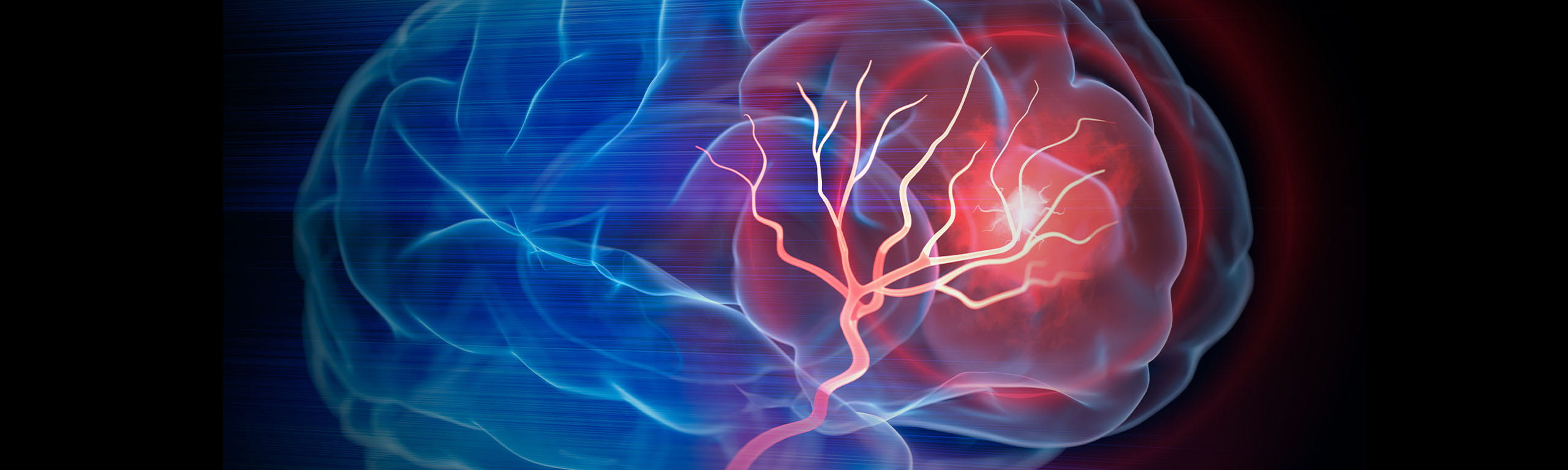
Stroke happens when blood flow to the brain is reduced, either by bleeding (hemorrhagic stroke) or a blood clot that blocks a blood vessel (ischemic stroke). UPMC is one of the world’s best multidisciplinary stroke centers, delivering advanced treatment for all types of stroke using the latest therapies and techniques.
What Sets Us Apart?
When you choose UPMC for stroke care, you will receive:
- A full range of treatment options — We offer nonsurgical and minimally invasive stroke care, as well as traditional open surgical procedures, allowing us to effectively treat all types of strokes while reducing your risk of complications.
- Access to world-class vascular neurology and neuroscience expertise — UPMC is among the world’s best multidisciplinary stroke centers. When surgery is necessary, our neurosurgery team is experienced in advanced treatments, including traditional and investigational approaches that are not widely available.
- Multidisciplinary care — We partner with neurologists, neurosurgeons, critical care medicine, a vast array of rehabilitation therapists and specialists, and other medical experts to provide complete care that optimizes your recovery and quality of life.
Areas of Care