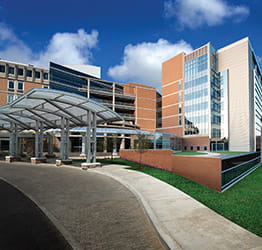
PITTSBURGH, January 18, 2007 Western Psychiatric Institute and Clinic (WPIC) of the University of Pittsburgh Medical Center will unveil its newly expanded and specially designed Center for Overcoming Problem Eating (COPE). The renovation allows COPE to expand its inpatient capacity from 11 to 20 beds, and will enable the program to care for more children, adolescents and adults with anorexia and bulimia nervosa through the centers comprehensive inpatient, outpatient and intermediate levels of treatment and care.
The program, housed in WPICs Thomas Detre Hall, is one of a small number of eating disorders programs in an academic medical center, which has allowed them to develop and provide research-informed treatments for seriously ill individuals with anorexia nervosa and those with complex or refractory problems.
Many of our eating disorders patients have complicated medical and psychiatric problems that benefit from intensive treatment by eating disorders specialists, said Marsha Marcus, Ph.D., COPE service chief and professor of psychiatry at the University of Pittsburgh School of Medicine. Each element of the unit is designed to ensure patient safety and comfort while aiding in recovery.
The programs provided by COPE represent a continuum of care aimed at providing treatment and assistance to those with eating disorders and associated medical and psychological problems. Care at all levels is directed by a multidisciplinary team of specialists trained in psychological, medical and nutritional interventions.
At WPIC we are fortunate to have the staff and facilities to provide care for those with behavioral health problems throughout the course of their illness; from diagnosis through recovery, said Claudia Roth, Ph.D., president and CEO, WPIC. Expanding the eating disorders program demonstrates our commitment to providing the best and most advanced care to those with eating disorders, especially those with the most severe forms of illness.
COPE provides different programs aimed at treating eating disorders at varying levels of severity. Treatment programs include:
Inpatient Services The 20-bed facility provides services for patients of all ages who are severely underweight and/or are in need of medical or psychiatric stabilization. Inpatient treatment focuses on nutritional stabilization, restoration of a minimally adequate body weight, alleviation of associated physical symptoms and elimination of eating disorder behaviors.
Partial Hospitalization Program (PHP) PHP provides a highly structured, supportive environment in which patients are closely supervised and monitored. Patients receive 32 hours of treatment each week, including supervised meals and snacks. Treatment focuses on restoring adequate nutrition and body weight, with equal emphasis placed on learning behavioral strategies to address the symptoms of disordered eating while teaching skills to help patients manage their eating disorder.
Intensive Outpatient Program (IOP) IOP provides treatment for patients who have returned to work or school, but still may need a structured program to promote recovery or for those who may need a transition to more intensive care. The IOP offers one meal, three evenings per week, and group and individual counseling sessions.
Eating Disorders Clinic The clinic provides assessment services, medical and nutritional counseling, and individual, family and group therapy on an outpatient basis.
For more information, contact COPE at 412-647-9329.