Download an overview of the top initiatives (PDF).
Strategic Initiatives
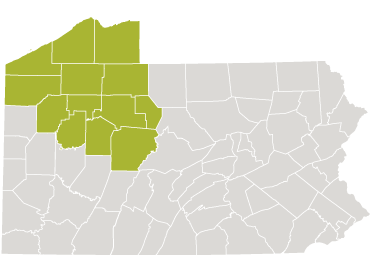
2030 Districts in Pittsburgh, Erie, and New Kensington
Since 2013, UPMC has been a committed partner to the Pittsburgh 2030 District with 14 buildings. The Pittsburgh 2030 District is the largest in the 2030 network. It is a leader in sustainable and high-performing buildings.
2024 marked the first year that the Pittsburgh District met the 2030 goal of a 50% to 65% reduction in carbon emissions. It had a 52.3% reduction from the baseline.
Oakland Energy Master Plan
The Oakland Energy Master Plan charts a bold and practical path toward a cleaner, more resilient, and equitable energy future in Pittsburgh's Oakland neighborhood.
UPMC is one of the key stakeholders in the Oakland Energy Taskforce, including the University of Pittsburgh, Carnegie Mellon University, and other local entities.
The OEMP has identified a portfolio of high-impact strategies, including:
- Residential heat pump retrofits.
- Commercial building upgrades.
- District energy decarbonization.
- Community solar.
- Battery energy storage.
- Virtual power plants (VPPs).
Together, these strategies will reduce energy and greenhouse gas emissions, lower energy costs, and improve neighborhood-wide resilience. The core stakeholders will further evaluate the projects for implementation to achieve reductions in carbon emissions and energy usage.
Building highlights
- UPMC Northwest won the ASHE Energy to Care Award for Sustainability Champions and Sustained Performance in 2024 and 2025. This made UPMC Northwest one of the top 2% of ASHE energy-efficient facilities nationwide in 2025.
- UPMC Northwest received an Energy Star certification from the Environmental Protection Agency (EPA) program after implementing a comprehensive energy-efficiency plan. Improvements included chiller plant optimization with variable frequency drives (VFDs), digital control upgrades, and air rebalancing. Part of the hospital’s energy comes from on-site geothermal power.
- Ten ASHRAE Level II Assessments were completed across the UPMC portfolio. The assessments aimed to identify energy cost-saving opportunities, reduce peak demand charges, and increase the use of renewable energy. UPMC is taking the recommendations from these assessments to define cost-effective projects.
- UPMC is building strong partnerships with local utility and industry partners to successfully receive rebates from the state of Pennsylvania for energy efficiency retrofits and new construction, which promote sustainable operations. These programs enable UPMC to do more work towards its ambitious goals.
LEED certification
In addition to important energy efficiency initiatives, UPMC is working toward LEED (Leadership in Energy and Environmental Design) certification for many of our buildings.
The U.S. Green Building Council’s LEED certification program is recognized worldwide as a symbol of sustainability achievement and leadership. LEED buildings improve efficiency, lower carbon emissions, and create healthier places for people.
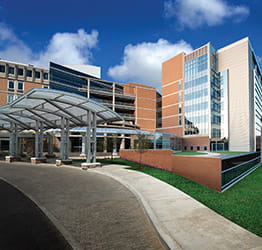
- UPMC Mercy Pavilion is LEED v4-Certified. It features energy-efficient fritted glass and terra-cotta panels that mitigate solar heat gain and an expansive green roof that limits stormwater runoff. It also incorporates biophilic and wellness features, including a rooftop healing garden.
- The new Kamin Tower at UPMC Presbyterian is on track for LEED Silver certification.
- UPMC has eight LEED Certified properties, totaling more than 2 million square feet.
- UPMC has 13 LEED Certified leased properties, totaling 869,000 square feet.
Stormwater management, green spaces, and trees
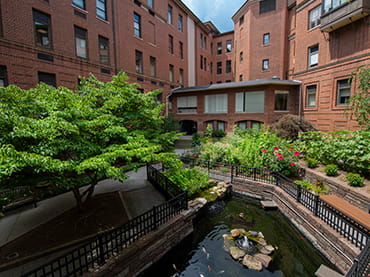
- UPMC hospitals across the system offer healing gardens and planted landscapes for patients and visitors to explore.
- More than 20 UPMC hospitals have stormwater management programs.
- Four UPMC hospitals have received Pennsylvania Horticulture Community Greening recognition.
- UPMC collaborated with Phipps Conservatory on a Sustainable Grounds Certification. UPMC staff who hold the Sustainable Grounds Certification ensure that UPMC facilities' landscaping practices use native plantings, conserve water, reduce chemical use, protect soil health, and enhance long-term environmental benefits while creating visually appealing spaces for everyone.
- A year-round greenhouse farm provides fresh produce at UPMC Memorial. It represents one of the first farms on a hospital campus in central Pennsylvania.
- UPMC Magee-Womens Hospital’s campus in Pittsburgh has two beehives, and UPMC Shadyside has one beehive on its campus (away from public access). Beehives support biodiversity by strengthening pollination for local plants, gardens, and farms, which are essential components of sustainable food systems.
- UPMC has partnered with Tree Pittsburgh since 2020 to provide employees with trees to rebuild the tree canopy in Allegheny County. In the past five years, more than 1,000 UPMC employees have combined to adopt over 1,800 trees.
- The Arbor Day Foundation named UPMC Children’s Hospital a 2022 Tree Campus® Healthcare Institution. The distinction recognized UPMC Children's for its commitment to planting, nurturing, and celebrating trees.