Skip to Content
800-533-8762
  • Careers
  • Newsroom
  • Health Care Professionals
  • About Us
  • Contact Us
UPMC
  • Find a Doctor
  • Conditions
  • Services
    • Frequently Searched Services
    • Frequently Searched Services
      Allergy & Immunology Behavioral & Mental Health Cancer Ear, Nose & Throat Endocrinology Gastroenterology Heart & Vascular Imaging Neurosciences Orthopaedics
      Physical Rehabilitation Plastic & Reconstructive Surgery Primary Care Senior Services Sports Medicine Telemedicine Transplant Surgery Walk-In Care Weight Management Women’s Health
      See all Services
    • Services by Region
    • Find a UPMC health care facility close to you quickly by browsing by region.
      UPMC in Western Pa. Western Pa. and New York
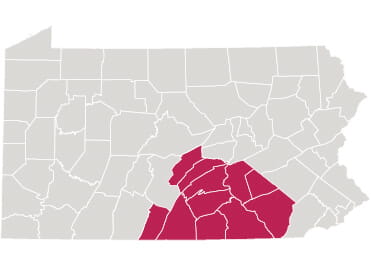
      Highlighted Regional Map of UPMC in Central Pa. Central Pa.
      UPMC in North Central Pa. North Central Pa.
      UPMC in Western Md. Maryland & West Virginia
    • See All Services
  • Locations
    • Locations by Type
    • Locations by Type
      UPMC hospitals
      Hospitals
      Physical Therapy
      Physical Therapy
      Urgent care
      Walk-In Care
      UPMC Outpatient Centers
      Outpatient Centers
      UPMC Imaging Services
      Imaging
      Community Health Centers
      Community Health Centers
      See All Locations
    • Locations by Region
    • Locations by Region
      UPMC in Southwest Pa. Southwest Pa.
      UPMC in North Central Pa. North Central Pa.
      UPMC in Northwest Pa and Ny. Northwest Pa. & Western N.Y.
      UPMC in West Central Pa. West Central Pa.
      Highlighted Regional Map of UPMC in Central Pa. Central Pa.
      UPMC in Western Md. Maryland & West Virginia
    • See All Locations
  • Patients & Visitors
    • Patient & Visitor Resources
    • Patient & Visitor Resources
      Patients and Visitors Resources Pay a Bill Classes & Events Health Library International Traveling Patients Medical Records
      Patient Information Patient Portals Privacy Information Shared Decision Making Visitor Information
      Man uses mobile phone
      Pay a Bill
      Nurse reviews medical chart
      Request Medical Records
  • Patient Portals
  • Find Covid-19 updates
  • Schedule an appointment
  • Request medical records
  • Pay a bill
  • Learn about financial assistance
  • Find classes & events
  • Send a patient an eCard
  • Make a donation
  • Volunteer
  • Read HealthBeat blog
  • Explore UPMC Careers
Skip to Content
UPMC
  • Find a Doctor
    • Doctor Search
  • Conditions
    • Search Conditions We Treat
  • Services
    • Frequently Searched Services
      • Heart and Vascular Services
      • Neurosciences Services
      • Orthopaedics Services
      • Primary Care Services
      • Spine Care Services
      • Sports Medicine Services
      • Transplant Services
      • Women's Health Services
      • See all Services
    • Services by Region
      • Find Care in Western Pa
      • Find Care in Central Pa
      • Find Care in North Central Pa
      • Find Care in Western Maryland
    • See All Services
  • Locations
    • Locations by Type
      • Hospitals
      • Walk-In Care
      • Imaging
      • Physical Therapy
      • Outpatient
      • Community Health Centers
      • See All Locations
    • Locations by Region
      • Central Pa.
      • Maryland and West Virginia
      • North Central Pa.
      • Northwest Pa. & Western N.Y.
      • Southwest Pa.
      • West Central Pa.
    • See All Locations
  • Patients & Visitors
    • Patient & Visitor Resources
      • Pay a Bill
      • Classes & Events
      • Health Library
      • International Traveling Patients
      • Medical Records
      • Patient Information
      • Patient Portals
      • Privacy Information
      • Shared Decision Making
      • Visitor Information
      • View All Patients and Visitors Resources
  • I Want To
    • Find Covid-19 updates
    • Schedule an appointment
    • Request medical records
    • Pay a bill
    • Learn about financial assistance
    • Find classes & events
    • Send a patient an eCard
    • Make a donation
    • Volunteer
    • Read HealthBeat blog
    • Explore UPMC Careers
  • Patient Portals
  • Careers
  • Contact Us
  • Newsroom
  • UPMC >
  • Our Services >
  • Heart & Vascular >
  • ... >
  • Our Services >
  • Procedures >
  • Renal Denervation
Heart & Vascular
About Us
Conditions We Treat
Our Services
Artificial Heart & Ventricular Device (VAD)
Atrial Fibrillation (AFIB)
Cardiac Amyloidosis
Cardiac Rehabilitation
Cardio-Oncology
Cardiogenic Shock
Cardiology
Cardiothoracic Surgery
Coronary Artery Disease
Hypertrophic Cardiomyopathy (HCM)
Heart Failure
Heart Rhythm Disorders
Heart Surgery
Heart Valve Disease
Hypertension
Inherited Heart Disease
Interventional Cardiology
Limb Preservation
Pediatric Cardiology
Preventive Cardiology
Sports & Exercise Cardiology
Structural Heart
Telemedicine
Thoracic Aortic Disease
Vascular Surgery
Vein
Women’s Heart
Wound Healing
Procedures
AFib Ablation
Ablation for Varicose and Spider Veins
Angioplasty (Percutaneous Coronary Intervention)
Aortic Root Surgery
Aortic Valve Surgery
Arterial Bypass Surgery
Cardiac (Heart) Catheterization
Cardiac Rhythm Management Devices
Carotid Artery Angioplasty and Stenting (CAS)
Carotid Endarterectomy
Catheter Ablation
Compression Therapy
Coronary Artery Bypass Graft (CABG) Surgery
Electrical Cardioversion
Emergent Aortic Dissection Repair
Endarterectomy Surgery
Heart Valve Surgery
Holter Monitor (24-Hour Electrocardiogram Monitoring)
Hybrid Ablation
Implantable Cardioverter Defibrillator (ICD) Insertion
iSVR: Intercostal Surgical Valve Replacement
Left Atrial Appendage Ligation (LAL)
Pacemaker and Defibrillator Lead Extraction
MAZE Procedure for AFib
Microphlebectomy
MitraClip® Therapy
Mitral Valve Surgery
Open Thoracoabdominal Aortic Aneurysm Repair
Ozaki Procedure for Aortic Valve Replacement
Pacemakers
Percutaneous Atherectomy
Peripheral Angioplasty and Stenting
Peripheral Vascular Ablation
Patent Foramen Ovale (PFO) Closure
Popliteal Aneurysm Repair
Pulsed Field Ablation
Renal Artery Stenting
Renal Denervation
Sclerotherapy
Septal Defect Repair
Septal Myectomy
Sternotomy Approach for Aortic Aneurysm Repair
Transcatheter Aortic Valve Replacement (TAVR) Procedure
Transcarotid Artery Revascularization (TCAR)
Transcather Edge-to-Edge Repair (TEER)
Thoracic Endovascular Repair for Aortic Aneurysms (TEVAR)
Transesophageal Echocardiogram (TEE)
Tricuspid Valve Surgery
Venous Bypass Surgery
Venous Stents
Watchman Device™ for Atrial Fibrillation
Tests
For Patients
For Professionals & Students
Our Locations
Contact Us
Heart & Vascular
About Us
Conditions We Treat
Our Services
Artificial Heart & Ventricular Device (VAD)
Atrial Fibrillation (AFIB)
Cardiac Amyloidosis
Cardiac Rehabilitation
Cardio-Oncology
Cardiogenic Shock
Cardiology
Cardiothoracic Surgery
Coronary Artery Disease
Hypertrophic Cardiomyopathy (HCM)
Heart Failure
Heart Rhythm Disorders
Heart Surgery
Heart Valve Disease
Hypertension
Inherited Heart Disease
Interventional Cardiology
Limb Preservation
Pediatric Cardiology
Preventive Cardiology
Sports & Exercise Cardiology
Structural Heart
Telemedicine
Thoracic Aortic Disease
Vascular Surgery
Vein
Women’s Heart
Wound Healing
Procedures
AFib Ablation
Ablation for Varicose and Spider Veins
Angioplasty (Percutaneous Coronary Intervention)
Aortic Root Surgery
Aortic Valve Surgery
Arterial Bypass Surgery
Cardiac (Heart) Catheterization
Cardiac Rhythm Management Devices
Carotid Artery Angioplasty and Stenting (CAS)
Carotid Endarterectomy
Catheter Ablation
Compression Therapy
Coronary Artery Bypass Graft (CABG) Surgery
Electrical Cardioversion
Emergent Aortic Dissection Repair
Endarterectomy Surgery
Heart Valve Surgery
Holter Monitor (24-Hour Electrocardiogram Monitoring)
Hybrid Ablation
Implantable Cardioverter Defibrillator (ICD) Insertion
iSVR: Intercostal Surgical Valve Replacement
Left Atrial Appendage Ligation (LAL)
Pacemaker and Defibrillator Lead Extraction
MAZE Procedure for AFib
Microphlebectomy
MitraClip® Therapy
Mitral Valve Surgery
Open Thoracoabdominal Aortic Aneurysm Repair
Ozaki Procedure for Aortic Valve Replacement
Pacemakers
Percutaneous Atherectomy
Peripheral Angioplasty and Stenting
Peripheral Vascular Ablation
Patent Foramen Ovale (PFO) Closure
Popliteal Aneurysm Repair
Pulsed Field Ablation
Renal Artery Stenting
Renal Denervation
Sclerotherapy
Septal Defect Repair
Septal Myectomy
Sternotomy Approach for Aortic Aneurysm Repair
Transcatheter Aortic Valve Replacement (TAVR) Procedure
Transcarotid Artery Revascularization (TCAR)
Transcather Edge-to-Edge Repair (TEER)
Thoracic Endovascular Repair for Aortic Aneurysms (TEVAR)
Transesophageal Echocardiogram (TEE)
Tricuspid Valve Surgery
Venous Bypass Surgery
Venous Stents
Watchman Device™ for Atrial Fibrillation
Tests
For Patients
For Professionals & Students
Our Locations
Contact Us

Renal Denervation

Renal denervation (RDN) is a minimally invasive procedure to treat resistant hypertension. This condition is a type of high blood pressure that doesn’t get better after making lifestyle changes and taking medications.

During RDN, doctors use special techniques to destroy some of the nerves leading to the arteries that supply blood to the kidneys. Deactivation of the nerves helps to lower blood pressure.


Find a Provider


Find a Location

What Is Renal Denervation?

Renal denervation treats resistant hypertension, or high blood pressure that doesn’t get better even after taking medication. The United States Food and Drug Administration (FDA) approved renal denervation as an extra treatment for people whose blood pressure remains elevated despite lifestyle changes and medicines.

RDN is a minimally invasive procedure. That means there are no big incisions or major surgery. During RDN, doctors use a thin tube called a catheter to reach the arteries that supply blood to the kidneys.

Doctors use special techniques — like radio waves, ultrasound, or certain chemicals — to destroy some of the nerves in these arteries.

These nerves are part of the body’s sympathetic nervous system. The sympathetic nervous system regulates the body’s stress response and affects kidney function.

Overactive renal sympathetic nerves can contribute to hypertension by increasing blood volume and vascular resistance. By reducing the activity of these nerves, RDN helps lower blood pressure.

What are the types of renal denervation?

Currently, three main RDN devices have been studied. Each uses a different method to target nerves in the renal arteries:

  • Paradise (Recor Medical) — Delivers ultrasound energy through a balloon catheter that cools the artery during treatment, protecting the vessel wall.
  • Peregrine (Ablative Solutions) — Uses a catheter with tiny needles to inject dehydrated alcohol around the artery, targeting the nerves.
  • Symplicity Spyral (Medtronic) — Uses a spiral-shaped catheter with four electrodes to deliver radiofrequency energy. It heats and destroys nerves around the renal artery without harming the artery itself.

UPMC currently offers renal denervation using ultrasound energy.

Conditions we treat with renal denervation

Renal denervation treats patients with resistant hypertension. This is high blood pressure that has not responded to medications.

Doctors usually recommend RDN for people with hypertension who have already tried a regimen of at least three different medications at the same time with no success.  

Why Would I Need Renal Denervation?

You might be a candidate for renal denervation if you have hypertension that has not responded to at least three high blood pressure-lowering medications.

High blood pressure is defined as a systolic pressure higher than 130 mmHg or a diastolic pressure greater than 80 mmHg. Many people have high blood pressure and don’t even know it.

That’s one reason why it’s often called a silent killer.

  • Almost half of all U.S. adults (about 120 million) have high blood pressure, according to the Centers for Disease Control and Prevention (CDC).
  • Only 25% of people with hypertension have their blood pressure under control.  
  • Half of those with uncontrolled hypertension have blood pressure higher than 140/90 mmHg.
  • About 34 million adults should be taking medication according to hypertension guidelines but have no prescription for it.
  • Of those who should be on medication but aren’t, about 66% of them have blood pressure of 140/90 mmHg or higher.

Is renal denervation right for me?

If you have resistant hypertension (high blood pressure) that has not responded to three medications at the same time, your doctor may recommend RDN. RDN can also treat patients who prefer nonpharmacological treatments or who can't take the medications.  

RDN can help a range of patients with high blood pressure, from those with mild cases to those with more severe or resistant hypertension. But RDN isn’t right for everyone with hypertension.

RDN should only be considered for:

  • People whose veins are healthy and strong enough to undergo the procedure.
  • People whose blood pressure stays high despite treatment.
  • People whose condition has been confirmed with 24-hour monitoring or reliable home measurements. This can rule out “white-coat hypertension,” a condition in which blood pressure is high only in medical settings.

Our multidisciplinary team of hypertension specialists and trained interventionalists will review your history and medical situation. This ensures that you are healthy enough for the procedure. We will only recommend renal denervation after full consideration of your risks and benefits.

What Are the Risks and Complications of Renal Denervation?

RDN is an effective treatment for resistant high blood pressure, but it is relatively new. Long-term effects of RDNs are not yet known.

Recent trials have reported no major safety concerns with RDN. But like all procedures, there are some potential risks.

Minor (less than 10% chance, usually temporary and not severe) risks include:

  • Bruising at the catheter insertion site.
  • Complications from pain or anxiety medications used during or after the procedure.
  • Hematoma (blood collecting outside a vessel) at the catheter site.
  • Nausea or vomiting.
  • Pain at the catheter insertion site.

Rare (less than 1% chance, usually temporary and not severe) risks include:

  • Arteriovenous (AV) fistula (abnormal connection between artery and vein at the catheter site).
  • Complications from the contrast agent (such as an allergic reaction or reduced kidney function).
  • Embolism (blood clot or plaque blocking blood flow, which can cause organ damage).
  • Heart rhythm disturbances, including bradycardia (slow heart rate).
  • Perforation or dissection (hole or tear in a blood vessel, such as the renal artery).
  • Pseudoaneurysm (blood buildup under the skin from artery injury) at the catheter site.
  • Vascular complications requiring surgery.

More potential risks include:

  • Allergic or adverse reaction to the catheter.
  • Damage to blood vessel walls or other body structures (e.g., narrowing, spasm, or aneurysm).
  • Damage to one or both kidneys, possible loss of kidney function, or need for dialysis.
  • Electrolyte disturbances (changes in blood or urine salt levels).
  • Hematuria (blood in urine).
  • Hemorrhage (significant blood loss).
  • Hypertension (blood pressure too high).
  • Hypotension (blood pressure too low).
  • Pain during or after the procedure that may require medication.
  • Proteinuria (increased protein in urine).
  • Skin burn.

What Should I Expect from Renal Denervation?

Interventional cardiologists perform renal denervation procedures in the catheterization lab.

Before RDN

  • The medical team will check your blood pressure and make sure you’re ready. You can ask any last-minute questions.

During RDN

  • You’ll get an IV for fluids and medicine, and your blood pressure and heart rhythm will be watched closely.
  • The interventional cardiologist will insert a small tube into the femoral artery, an artery near your hip. They will guide it to the arteries that supply blood to your kidneys.
  • A special dye will be injected so the doctor can see your arteries on an x-ray.
  • If your arteries look suitable, the doctor will use the tube to position a small device to treat the nerves that may be causing your high blood pressure.
  • The doctor will use image guidance to destroy the nerves in the walls of the renal arteries without damaging the arteries.
  • The full procedure usually takes about an hour.
  • When the treatment is over, the doctor will remove the device and tube from your femoral artery.
  • No device or implant will remain in your kidneys or arteries after the procedure.

Recovery after RDN

You will need to make and attend follow-up appointments. That way, your doctor can track your recovery progress and your blood pressure. They can also make changes in your medications, if needed.

Maintaining a healthy lifestyle is also important to your health. Try to:

  • Avoid alcohol and substances.
  • Control your stress.
  • Eat nutritious meals.
  • Exercise regularly.
  • Take your medication as directed by your doctor.

When should I call the doctor about post-op complications?

Contact your physician or seek medical attention right away if you experience any of the following symptoms after renal denervation: 

  • Dizziness or lightheadedness, which might indicate a large drop in blood pressure.
  • Excessive bleeding or bruising from the catheter insertion site in the groin.
  • Severe pain in your back, belly, or groin area that lasts for more than two days.
  • Signs of severe high blood pressure, also known as a hypertensive crisis. These include severe headache with confusion and blurred vision, chest pain, nausea, vomiting, or difficulty breathing.

How successful is renal denervation?

One 2023 study of RDN's long-term success followed 66 people, most of whom were men about age 70, for about nine years after they’d had an RDN procedure.

On average:

  • Their blood pressure improved significantly. The systolic (top number) blood pressure dropped by about 12 points, and the diastolic (bottom number) blood pressure dropped by about nine points compared to before the procedure.
  • Their heart rate stayed about the same.
  • Their kidney function declined at a rate expected for their age. This means the procedure didn’t cause extra kidney problems.
  • They were able to take one fewer blood pressure medication than before.
  • The amount of time their blood pressure was above the target level dropped from about 75% to 47%.

RDN helped lower blood pressure for many years after the procedure. It allowed people to use fewer medications and did not cause extra harm to the kidneys.


By UPMC Editorial Staff. Last reviewed on 2026-05-13.

UPMC
200 Lothrop Street Pittsburgh, PA 15213

412-647-8762 800-533-8762

Patients And Visitors
  • Find a Doctor
  • Locations
  • Pay a Bill
  • Patient & Visitor Resources
  • Disabilities Resource Center
  • Services
  • Medical Records
  • No Surprises Act
  • Price Transparency
  • Financial Assistance
  • Classes & Events
  • Health Library
Health Care Professionals
  • Physician Information
  • Resources
  • Education & Training
  • Departments
  • Credentialing
Newsroom
  • Newsroom Home
  • Inside Life Changing Medicine Blog
  • News Releases
About
  • Why UPMC
  • Facts & Stats
  • Supply Chain Management
  • Community Commitment
  • Financials
  • Supporting UPMC
  • HealthBeat Blog
  • UPMC Apps
  • UPMC Enterprises
  • UPMC Health Plan
  • UPMC International
  • Nondiscrimination Policy
Life changing is...
Follow UPMC
  • Contact Us
  • Website/Email Terms of Use
  • Medical Advice Disclaimer
  • Privacy Information
  • Active Privacy Alerts
  • Sitemap
© 2026 UPMC I Affiliated with the University of Pittsburgh Schools of the Health Sciences Supplemental content provided by WebMD Ignite. To learn more, visit webmdignite.com.
Find Care
Providers
Video Visit
Portal Login

Helpful Prompts

  • cancel: Stops your conversation
  • help: Shows what this bot can do
  • terms: Shows terms of use and privacy statement
  • feedback: Give us feedback
Continue
UPMC
Restart Chat
Chat Help